
Your Cart

Items in Cart 0
Subtotal ৳ 0
Checkout

From the Executive's Desk

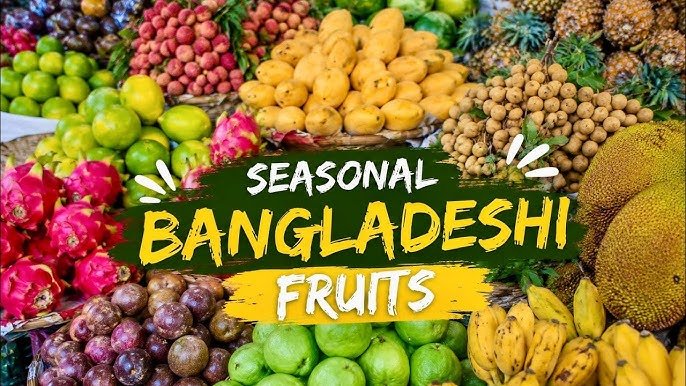
  • Seasonal Bangladeshi Fruits: Nature’s Sweet Delights.

    Bangladesh, a land of fertile plains, rivers, and a tropical climate, is blessed with an abundance of fruits that are as diverse as they are delicious. From the sweet, fragrant mangoes of summer to the tangy, refreshing oranges of winter, the variety and quality of fruits grown in Bangladesh make it one of the richest agricultural regions in South Asia. Fruits play a central role in the country’s culture and cuisine, often featured in daily meals, celebrations, and festivals. Let’s take a delightful journey through the most popular Bangladeshi fruits, each with its unique flavors and significance.

    Mango (Aam): The King of Fruits

    No discussion of Bangladeshi fruits would be complete without mentioning the iconic mango (Aam), often regarded as the king of fruits. The mango is deeply ingrained in Bangladeshi culture, especially during the summer months when the season reaches its peak. Mangoes in Bangladesh are celebrated for their sweetness, juiciness, and variety. Different regions of the country are known for specific types of mangoes, with some of the most famous varieties including:

    • Himsagar: Known for its rich sweetness and minimal fiber.
    • Langra: A small, juicy variety with a tangy kick.
    • Raspuri: Another popular variety that is slightly sour and extremely fragrant.
    • Amrapali: A hybrid variety prized for its richness and smooth texture.

    Mangoes are used in various forms – fresh, in juices, as chutneys, or in desserts like Aam’er Bhorta (mashed mango with mustard oil) and Aam Pora Shorbot (a tangy mango drink). Mangoes also make their way into savory dishes, and the summer heat is never complete without indulging in this vibrant fruit.

    Jackfruit (Kathal): A Tropical Wonder

    Jackfruit (Kathal), the national fruit of Bangladesh, is another fruit that holds a special place in the hearts of the Bangladeshi people. This large, green, spiky fruit has a firm, fibrous flesh that becomes sweet as it ripens. It’s consumed in several forms: fresh, in curries, and even fried. When unripe, jackfruit is used as a vegetable in savory dishes like Kathal Bhuna (jackfruit curry) or Kathal Bhorta (mashed jackfruit with mustard oil, garlic, and spices).

    One of the unique aspects of jackfruit is its versatility. The tender flesh of the ripe fruit is sweet and aromatic, while the seeds are also edible and can be boiled or roasted. The jackfruit tree provides shade and shelter, making it a beloved presence in rural areas, where it is often used in festivals and celebrations.

    Lychee (Litchi): The Fragrant Delight

    Lychee (Litchi) is a tropical fruit known for its delicate, sweet flavor and aromatic fragrance. While it’s widely cultivated in many parts of South Asia, Bangladesh is famous for producing lychees of exceptional quality, particularly in the regions of Rajshahi and Dinajpur. The fruit is small, round, and covered with a rough, reddish-brown skin that is peeled away to reveal translucent, juicy flesh.

    Lychees are typically eaten fresh, but they are also used in desserts, juices, and cocktails. During the summer months, fresh lychee is a favorite treat for many, enjoyed as a refreshing snack or served in festive dishes. Lychee-based sweets like Lychee Payesh (a rice pudding with lychee) are also popular.

    Guava (Piyara): The Tangy Treat

    Guava (Amra) is another highly popular fruit in Bangladesh, available in both green and ripe varieties. The fruit is known for its sweet-tart flavor and rich nutritional content, particularly its high vitamin C content. Green guavas are often eaten raw with a sprinkle of salt or chili powder, while ripe guavas are sweet and juicy. Guavas are also made into juices, jams, and fruit salads.

    In rural Bangladesh, guavas are often eaten as a casual snack or served during social gatherings. Guava trees are also commonly found in backyard gardens, making the fruit accessible to many households.

    Coconut (Narikel): The Versatile Fruit

    Coconut (Narikel) is a ubiquitous fruit in Bangladesh, particularly in coastal regions. Both the water and the flesh of the coconut are used in various culinary preparations. Fresh coconut water is a popular refreshing drink, especially during the hot summer months, providing hydration and a natural electrolyte boost.

    The meat of the coconut is used in curries, chutneys, sweets, and snacks. Narikeler Chingri Bhorta (mashed shrimp with coconut) is a common dish in Bengali cuisine. The outer shell of the coconut is also used in making traditional handicrafts and as fuel for cooking in rural areas.

    Papaya (Papai): The Sweet and Healthy Fruit

    Papaya (Papai) is a tropical fruit that is widely grown and consumed in Bangladesh. It has a soft, sweet, and juicy flesh that is often eaten raw or used in salads and smoothies. The fruit is also recognized for its health benefits, including aiding digestion and promoting skin health.

    Papaya is enjoyed both in its ripe form and when slightly green, the latter of which is used in savory dishes like Papai’r Bhorta (mashed green papaya). The fruit is an essential part of the Bangladeshi diet and is often found in local markets year-round.

    Pineapple (Anaras): The Tangy, Sweet Pleasure

    Pineapple (Ananas) is another tropical fruit that enjoys widespread popularity in Bangladesh. The fruit is known for its sweet and tangy flavor, with a juicy, fibrous texture. Pineapples are eaten fresh, juiced, or used in desserts like Pineapple Sandesh (a Bengali sweet). In some rural areas, pineapple is also used in savory dishes, adding a touch of sweetness to curries and chutneys.

    The fruit is a symbol of hospitality in many cultures, and in Bangladesh, it is often served to guests during special occasions and festivals.

    Banana (Kola): A Staple Fruit

    Bananas (Kola) are a staple fruit in Bangladesh, commonly consumed for breakfast or as a snack throughout the day. The banana is rich in nutrients and is often used in Bengali sweets like Kolar Patisapta (a dessert made from bananas and coconut). The banana tree also has numerous uses, with the leaves being used for serving food during traditional ceremonies and the stem used in cooking.

    Pomegranate (Dana): The Jewel of Fruits

    Pomegranate (Dana) is a fruit that is not only beautiful to look at but also incredibly nutritious. The ruby-red seeds are juicy and sweet with a hint of tartness, making them a popular addition to fruit salads, juices, and desserts. Pomegranates are often eaten fresh or used to garnish rice dishes and curries.

    Conclusion

    Bangladesh, with its tropical climate and fertile soil, is home to a dazzling array of fruits, each contributing to the nation’s rich culinary heritage. From the beloved mango to the versatile jackfruit, the country’s fruits are more than just ingredients—they are a reflection of the vibrant culture, history, and natural bounty that define Bangladesh. Whether enjoyed fresh, juiced, or incorporated into savory and sweet dishes, these fruits continue to play a central role in daily life, offering both nourishment and joy to the people of Bangladesh.

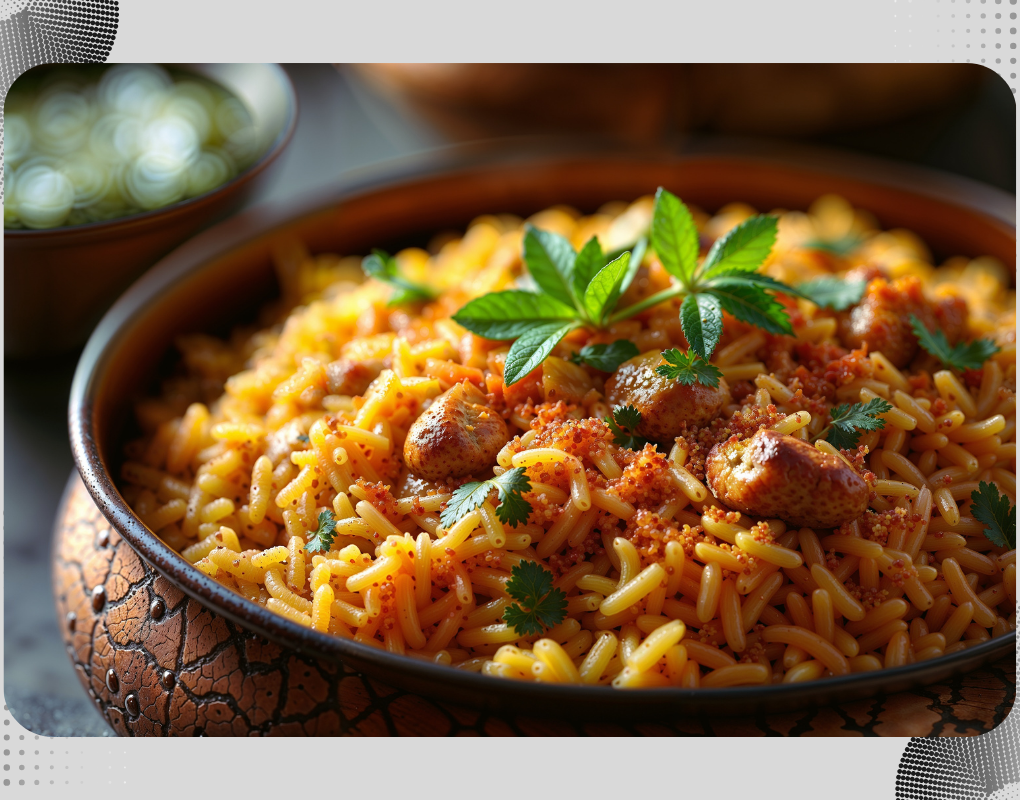
  • Kacchi Biryani: The Royal Feast of Flavors.

    Biryani is more than just a dish; it’s a celebration of culture, history, and exquisite flavors. Among the many variations of this aromatic, spiced rice dish, Kacchi Biryani stands out as one of the most regal and revered. This luxurious and flavorful biryani has an enduring legacy, particularly in the cuisine of South Asia. Known for its unique preparation method, Kacchi Biryani is a dish that combines marinated meat, fragrant rice, and a blend of spices, all cooked together to create a harmonious, mouthwatering feast.

    The Origins of Kacchi Biryani

    The history of Kacchi Biryani traces back to the Mughal era, a time when Persian influences began to shape the food culture of the Indian subcontinent. Legend has it that Kacchi Biryani was introduced to the region by Mughal emperors, who were known for their love of lavish banquets and gourmet meals. Over time, this royal dish spread across various regions of India and Bangladesh, where it was adapted to suit local tastes and ingredients.

    The term “Kacchi” refers to the cooking method, which involves layering raw marinated meat with partially cooked rice, then cooking the entire dish in a sealed pot, allowing the flavors to infuse and meld together slowly. This method contrasts with other biryanis, where meat is usually cooked separately and then layered with rice. Kacchi Biryani is a one-pot wonder that reflects the essence of traditional slow cooking, allowing each grain of rice to absorb the flavors of the meat and spices.

    The Key Ingredients of Kacchi Biryani

    The beauty of Kacchi Biryani lies in its simplicity, yet it requires a meticulous balance of flavors and textures. Some of the key ingredients that make Kacchi Biryani so special include:

    Meat: Traditionally, mutton (goat meat) is used in Kacchi Biryani, though chicken is also a common substitute in modern variations. The meat is marinated for hours in a blend of yogurt, ginger-garlic paste, red chili, turmeric, and other aromatic spices like cardamom, cloves, and cinnamon. This marination helps tenderize the meat and infuse it with flavor, ensuring that it becomes succulent and juicy when cooked.

    Rice: The rice used in Kacchi Biryani is usually long-grain basmati rice, known for its fragrance and ability to retain its individual grains after cooking. The rice is partially cooked before being layered with the marinated meat, allowing it to soak up the rich flavors of the spices during the final stage of cooking.

    Spices: The spice mix is essential to the depth of flavor in Kacchi Biryani. The dish typically includes whole spices like bay leaves, cinnamon, cardamom, and cumin, along with ground spices like coriander, cumin powder, garam masala, and saffron. The saffron, in particular, imparts a luxurious golden hue to the rice, making it visually stunning.

    Fried Onions and Ghee: Fried onions (birista) and ghee (clarified butter) are used generously to add a rich, aromatic flavor. The crispy onions contribute a sweet, caramelized taste, while ghee adds a luscious richness that elevates the entire dish.

    Yogurt and Herbs: Fresh mint and coriander leaves are often sprinkled between the layers of meat and rice, offering a refreshing contrast to the heavy richness of the dish. Yogurt is also essential for marinating the meat, helping to tenderize it while adding a mild tanginess to balance the spices.

    The Cooking Process

    The preparation of Kacchi Biryani is an art in itself, requiring patience and precision. Here’s how the dish is typically made:

    Marinating the Meat: The meat is marinated for several hours, sometimes overnight, with a blend of yogurt and spices. This step is crucial for infusing the meat with the characteristic depth of flavor that defines Kacchi Biryani. In some regions, the marinated meat is sometimes cooked partially before being layered with rice.

    Partially Cooking the Rice: The rice is boiled until it is about 70-80% cooked. It is important not to overcook the rice at this stage, as it will continue cooking in the sealed pot along with the meat.

    Layering the Biryani: The process of layering is where the magic happens. A large, heavy-bottomed pot is used to layer the marinated meat at the bottom, followed by a layer of partially cooked rice. The layers are repeated, and fried onions, mint, coriander, and saffron-infused water are added between each layer to enhance the flavor.

    Dum Cooking: The pot is then sealed tightly, often with dough, to ensure that no steam escapes during the final cooking stage. The biryani is cooked on low heat, either in a tandoor (clay oven) or on a stove, using the ‘Dum’ (slow cooking) method. This method ensures that the meat and rice cook together, allowing the flavors to meld and the meat to become tender and juicy.

    Serving the Kacchi Biryani: Once cooked, the biryani is allowed to rest for a few minutes before being served. The layers are carefully mixed to ensure that each bite contains both rice and tender pieces of meat, along with the aromatic spices. It is traditionally served with raita (yogurt dip), salad, or a boiled egg.

    The Variations of Kacchi Biryani

    While the essence of Kacchi Biryani remains the same, different regions and communities have their own unique twists on the dish. In Kolkata (Calcutta), Kacchi Biryani is influenced by Mughlai and Awadhi culinary traditions, often incorporating potatoes into the layers of rice and meat. In Hyderabad, the famous Hyderabadi Biryani is a variation of Kacchi Biryani, though it typically uses a different method of cooking and includes a more distinct blend of spices. The city of Dhaka in Bangladesh is also known for its Kacchi Biryani, with the recipe closely resembling the version from Kolkata, but sometimes cooked in a distinctively Bengali style with mustard oil.

    The Cultural Importance of Kacchi Biryani

    Kacchi Biryani is not just a dish; it is an experience. Whether it’s a wedding feast, a family celebration, or a special occasion, Kacchi Biryani is always the star of the meal. Its regal nature makes it the ultimate symbol of hospitality and generosity. Preparing and serving Kacchi Biryani requires time, effort, and a passion for cooking, which is why it is often reserved for moments that are meant to be cherished.

    In many parts of South Asia, Kacchi Biryani is a food that brings people together. The tradition of sharing a pot of this fragrant, flavorful biryani with loved ones is a powerful symbol of community, warmth, and togetherness.

    Conclusion

    Kacchi Biryani is the epitome of rich, flavorful, and indulgent South Asian cuisine. From its royal origins to its widespread popularity across different regions, it has established itself as one of the most beloved dishes in the world. Its intricate preparation and luxurious ingredients make it a dish that is not only delicious but also a celebration of cultural history and culinary craftsmanship. Whether you’re enjoying it on a special occasion or simply indulging in its aromatic splendor, Kacchi Biryani is more than just a meal; it is an experience that leaves a lasting impression.